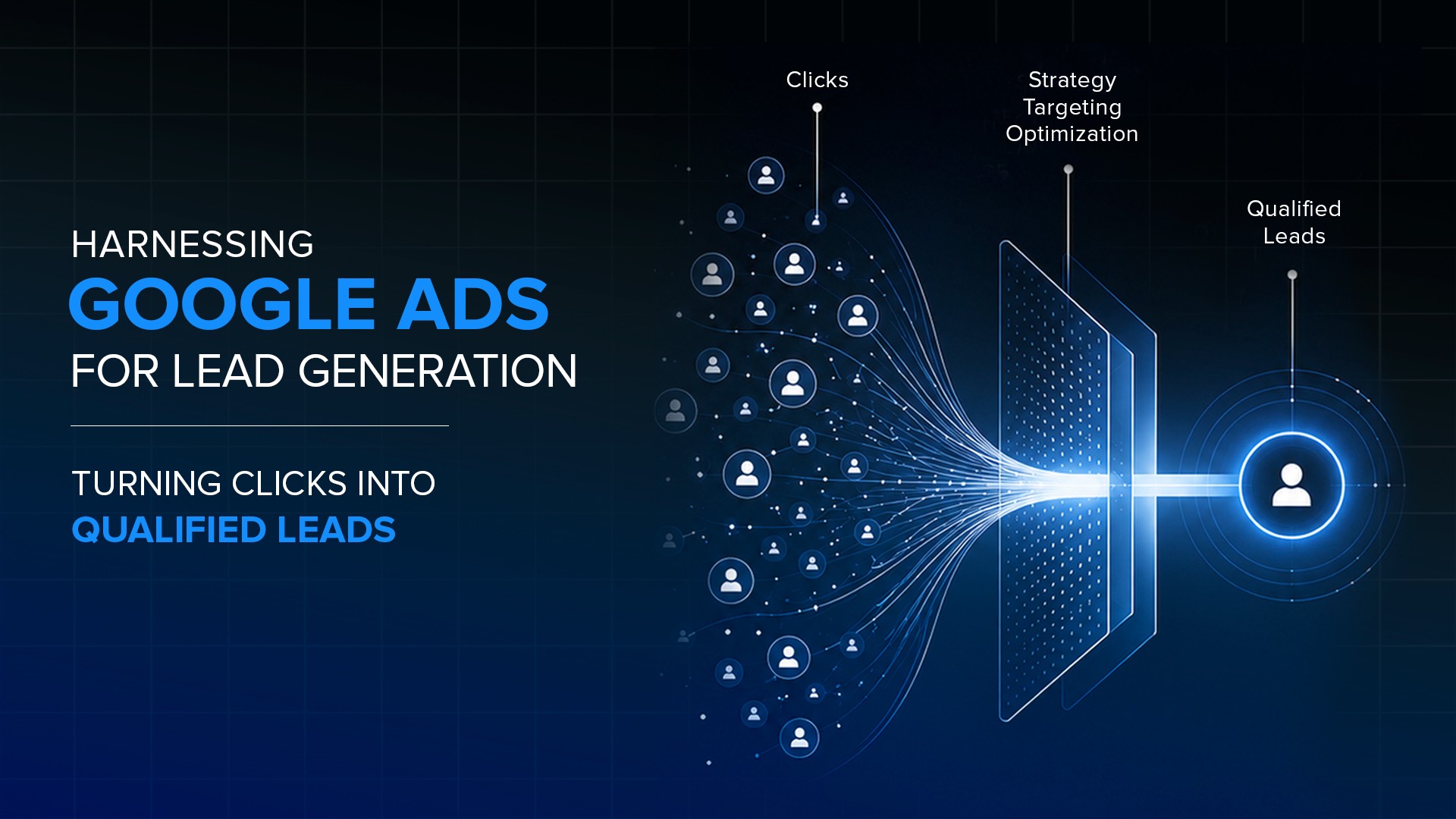
The Policy Is Here. The Market Is Moving. Are You?
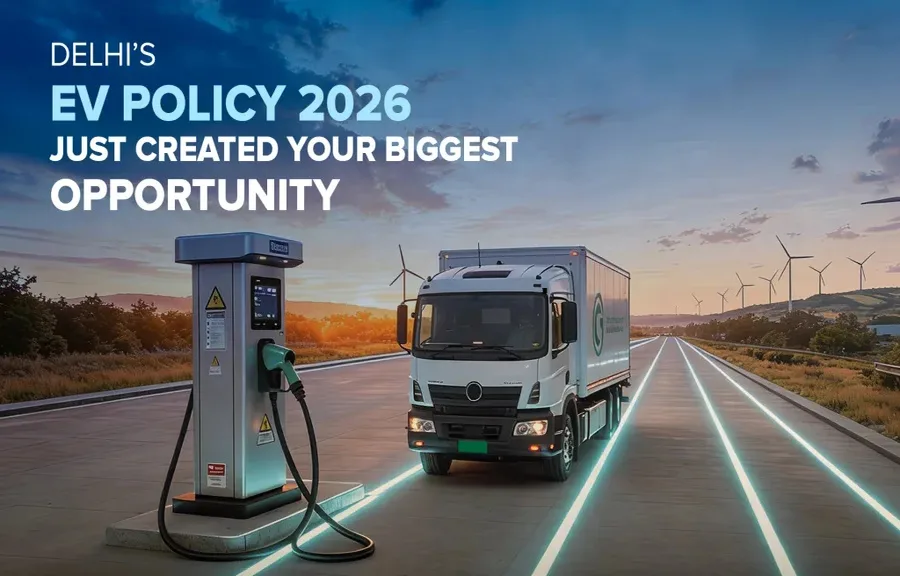
Delhi just released its most aggressive electric vehicle policy yet - the Draft Delhi EV Policy 2026–2030 - and it doesn't just set targets. It sets deadlines.
From January 1, 2027, only electric three-wheelers will be allowed for new registrations in Delhi. From April 1, 2028, the same rule applies to two-wheelers. Fleet aggregators and delivery operators have an even tighter window - from January 1, 2026, no new ICE vehicles will be permitted in aggregator-based operations.
This is not a trend. This is policy. And for EV brands operating in Delhi or planning to enter the market, the window to establish dominance is open right now - not in 2027, not in 2028. Now.
What the Delhi EV Policy 2026 Actually Says
Before we talk strategy, here's what the policy puts on the table:
Mandatory Transition Deadlines Only electric three-wheelers will be permitted for new registrations from January 2027, and only electric two-wheelers from April 2028.
Subsidies That Push Buyers to Act Electric three-wheeler auto-rickshaws will receive incentives of ₹50,000 in the first year, ₹40,000 in the second year, and ₹30,000 in the third year. Electric four-wheeler goods vehicles will be eligible for incentives of ₹1 lakh, ₹75,000, and ₹50,000 over the same period.
Scrappage Benefits Scrapping incentives for older BS-IV and below vehicles include ₹10,000 for two-wheelers, ₹25,000 for three-wheelers, and ₹50,000 for goods vehicles.
Zero Registration Cost All EVs registered during the policy period will be eligible for 100% exemption from road tax and registration fees.
Infrastructure Push Charging infrastructure has expanded rapidly, from a few hundred points in 2020 to approximately 9,000 by 2026.
The demand signal could not be clearer. The government has removed the two biggest barriers to EV adoption - cost and infrastructure. What remains is the marketing and positioning battle between EV brands.
Why This Is a Marketing Problem More Than a Product Problem
Here's the reality most EV brands are not talking about:
When government policy creates a buying wave, every competitor rides it. Subsidies reduce the price barrier for buyers - but they don't tell the buyer which brand to choose. That decision is made through digital visibility, trust, and targeted communication.
The Delhi government has stated its commitment to positioning Delhi as the EV capital of the country. That ambition creates a market where hundreds of EV brands will compete for the same buyer. The ones that have already built their digital pipeline, established audience trust, and created a qualified lead system will win. The ones scrambling to "start their digital marketing" when deadlines hit will spend three times more for half the results.
This is exactly the problem we solve at Tradais Digital.
3 Things EV Brands Must Do Right Now
1. Stop Talking to Everyone. Start Reaching the Right Buyer.
The EV buyer in Delhi is not one person. A last-mile delivery operator evaluating an electric cargo vehicle thinks completely differently from a daily commuter considering an electric two-wheeler. Their concerns are different, their decision timelines are different, and the platforms they use to research are different.
Broad digital campaigns that target "EV buyers in Delhi" waste the budget on people who were never going to convert. Precision audience targeting - built on intent signals, behavioural data, and category-specific segmentation - is what separates brands that generate leads from brands that generate customers.
2. Build a Pipeline - Not Just Ad Campaigns
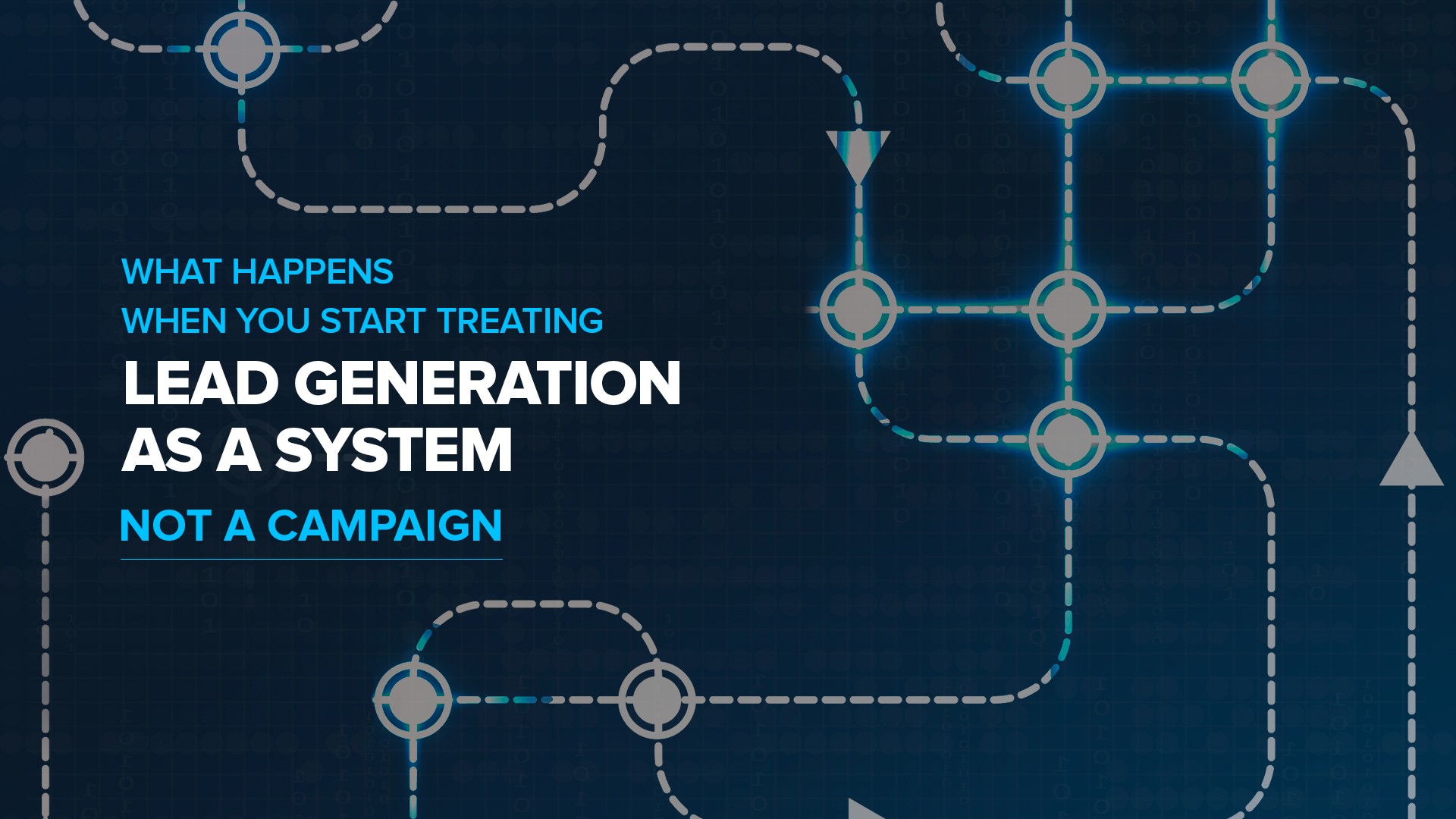
Running ads is not a strategy. A pipeline is.
The journey of an EV buyer - especially in the commercial and fleet segment - involves multiple touchpoints before a decision is made. Awareness campaigns plant the seed. Retargeting keeps your brand top of mind. Conversion-optimised landing pages and a lead qualification process ensure that when a buyer is ready, they come to you - not your competitor.
We have worked with brands in the electric commercial vehicle space and built exactly this kind of pipeline - one that filters intent, qualifies leads before they reach the sales team, and dramatically improves conversion efficiency.
3. Move Before the Rush - Not With It
Delhi's latest EV policy draft reflects a stronger, more focused push to improve mobility, with clearer intent and better execution. Industry leaders and automakers are paying attention. Which means your competitors are paying attention too.
The brands that invest in digital presence, search visibility, and lead generation infrastructure before the policy deadlines arrive will own the market when demand peaks. The brands that wait will fight for attention in a crowded, expensive, competitive landscape.
Early mover advantage in digital marketing is real - and in the EV space right now, it is significant.
What Tradais Digital Does for EV Brands
At Tradais Digital, we are a performance marketing and digital strategy agency that has worked directly in the electric vehicle and commercial mobility space. We understand the buyer. We understand the sales cycle. And we understand what it takes to build a digital presence that converts - not just one that looks good.
Our work in the EV industry has delivered measurable results in qualified lead growth and cost efficiency - not by spending more, but by spending smarter.
If your EV brand is looking at the Delhi EV Policy 2026 and thinking "we need to get our marketing right" - that instinct is correct. And the time to act is now.
Final Word
Industry leaders believe the Delhi EV Policy 2026 will not only accelerate electric vehicle adoption but also build a robust ecosystem around the entire electric mobility space.
The ecosystem is being built. The demand is being created. The buyers are coming.
The only question left is - which brand will they find first?
DM us to find out how we can build your EV brand's digital pipeline before the market gets crowded.